
“Survey design. Upper left, Collection location in New York City’s East River, a tidal channel between Long Island Sound and New York Harbor. Asterisk marks collection site (lat 40.76; long −73.96).” Credit: Stoeckle, Ausubel, 2026
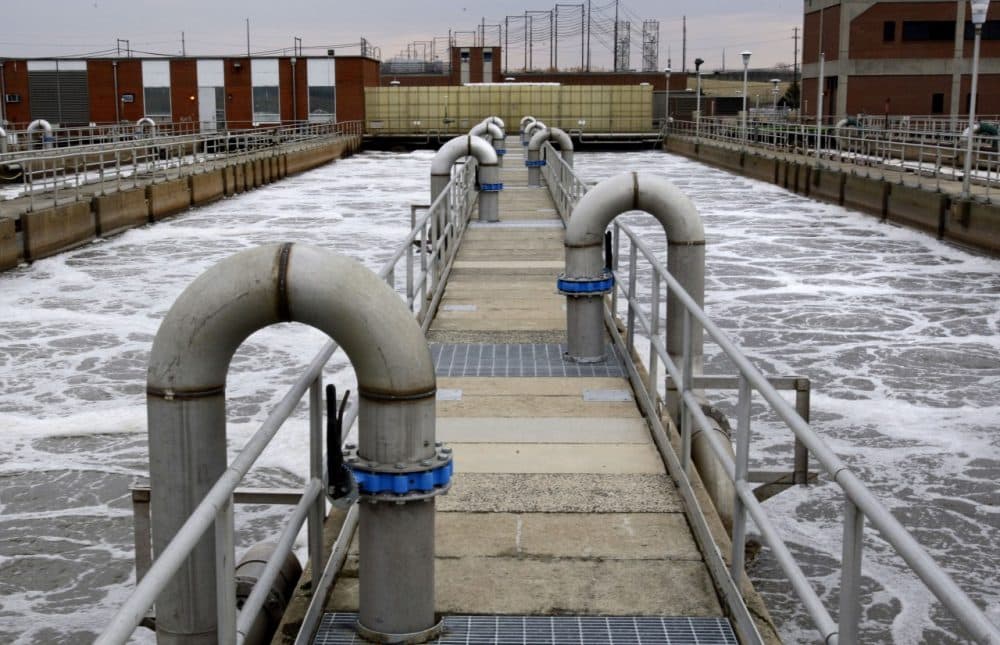
of RAW SEWAGE
https://untappedcities.com/sewer-overflow-nyc/
https://journals.plos.org/plosone/article?id=10.1371/journal.pone.0332676
https://phys.org/news/2026-04-environmental-dna-nyc-east-river.html
Environmental DNA in East River reveals clues about nearby humans and animals
by Public Library of Science / April 29, 2026
“Sequencing environmental DNA—or eDNA—from the East River in New York City can effectively monitor human diets and local wildlife, as well as the river’s fish populations, report Mark Stoeckle and Jesse Ausubel of The Rockefeller University, U.S., in a study published in the open-access journal PLOS One. Surveying fish populations in the East River—a rocky estuary channel with fast currents that is contaminated with wastewater discharge—is difficult to accomplish with traditional methods, such as netting or trapping. As an alternative, Stoeckle and Ausubel turned to eDNA—strands of DNA that organisms shed into the water through feces, mucus, skin cells, and carcasses—which can then be detected in the lab. The researchers collected water samples from one spot in the East River weekly for a year. They spiked each sample with a known amount of synthetic DNA, which enabled them to quantify the amount of eDNA from different fish species and other organisms present in the water.
The researchers detected eDNA from humans in the river water, alongside domesticated land animals and non-local fish which are commonly eaten by humans: for example, chicken, turkey and cow eDNA. The levels of eDNA from these animals correlated with those of human eDNA, suggesting they could be traced back to wastewater that had contaminated the river. This wastewater analysis might therefore be valuable in revealing the dietary habits of local human residents. Additionally, the researchers found eDNA from animals presumed to be local wildlife; for example, rats, beavers and raccoons. In terms of aquatic life, the eDNA levels effectively reflected expected fish population sizes, and also showed seasonal patterns in line with known fish movements. For example, there were about 10 times more eDNA in the summer than in the winter, when some species move to warmer waters elsewhere.
The analysis, however, also showed recent changes in fish populations, with two fish species—skilletfish and feather blenny—becoming much more abundant since 2016, according to a comparison with a previous eDNA survey conducted at the same site. The researchers conclude that quantifying eDNA is a practical approach to monitoring animal species that could have wide usage in urban estuaries. The study also highlights wastewater eDNA as a useful source of information for tracking the abundance of land animals and human consumption of meat and fish. This approach may aid estuary fish and wildlife management and also opens a window into the human diet.”

“Among the most novel results of the weekly East River sampling were genetic indicators of human food consumption, of rat and other terrestrial wildlife populations, and the discovery of newly abundant fish species, thought to reflect the success of habitat restoration efforts.”

“A year-long environmental DNA study of New York City’s East River involving single liter water samples revealed an unexpectedly detailed snapshot of life in and around the city, from weekly and seasonal shifts in fish species and abundance to urban wildlife activity and even New Yorkers’ diets.”
Publication details
Stoeckle MY, Ausubel JH. Biomonitoring in the Anthropocene: Urban estuary environmental DNA tracks marine fish, terrestrial wildlife, and human diet, PLOS One (2026).DOI: 10.1371/journal.pone.0332676
WASTEWATER SURVEILLANCE
https://theatlantic.com/health/archive/2024/08/wastewater-monitoring-drug-use
https://psychologytoday.com/wastewater-analyses-for-real-time-substance-use
Wastewater Analyses for Real-Time Changes in Substance Use
by Mark S. Gold / April 20, 2026
“Victor Hugo, in Les Misérables, refers to the city’s sewer system as the “conscience of the city,” where the waste products of society are gathered, bringing all secrets to light. Today, analyzing sewage or wastewater-based epidemiology (WBE) is a new way to determine which drugs are being used, when, and where. When people take drugs, their bodies break them down, and they leave traces in urine and feces that flow into the sewer system for measurement. A new paper by Shisbeth Tabora-Sarmieto and colleagues at U. F. has just described how to make a robust, scalable surveillance protocol practical for informing public health.
Why is this important? Emergency room doctors and other healthcare providers need timely information on which drugs are currently being used. Public health and government agencies need current information to protect the public. The media needs accurate information to reduce harm, inform, and warn the public. And families, including users themselves, need to know about new drug combinations or risky drugs that could be lethal if ingested. By analyzing drug metabolites in municipal sewage, WBE can provide drug information that also aids in preparedness. For example, wastewater signals precede overdose surges, permitting proactive interventions, such as targeted Narcan distribution to reverse opioid overdoses and EMS preparedness. Some cities, such as Denver, have implemented pilot programs to track high-risk substances and guide intervention tactics…
…In contrast, with daily or weekly sampling, WBE enables rapid detection of changes in drug use patterns. It captures broad populations, including individuals not represented in surveys or clinical databases. It enables fine-grained geographic analysis, identifying localized trends and micro-epidemics (small, area-specific drug outbreaks). Today’s drug landscape, which often starts in clubs and events, is defined by synthetic compounds and an ever-shifting adulterated drug supply. Research by NYU Professor Joey Palamar has championed the shifting from reliance on self-reporting to the implementation of objective indicators of drug exposure. Surface drug sampling in nightlife settings by analyzing swabs from tables, cell phones, and other environmental surfaces may also provide real-time insight into drug trends and exposure.
European data have provided the most comprehensive examples of WBE. Longitudinal monitoring from 2011 to 2025 demonstrated geographic patterning, with cocaine use accelerating, concentrated in Western and Southern Europe, and amphetamines more common in the North. Europe is better for WBE surveillance consistency and cross-national trends and epidemiology. The United States is better at detecting localized patterns, micro-epidemics, and rapid shifts in drug markets. The most recent findings (2024–2025) from WBE in the United States highlighted a changing drug landscape. Cocaine residues increased by approximately 22 percent, and ketamine by 41 percent, while MDMA (Ecstasy or “E”) declined about 16 percent. Cannabis remained relatively stable, though variations across cities persisted. Ketamine, in particular, expanded quickly in the recreational drug landscape, rising alongside high cocaine use. Wastewater data also showed weekend drug peaks tied to nightlife-associated use.
Wastewater surveillance can also function as an early local health warning system. In Nantucket, Massachusetts, wastewater analysis found cocaine concentrations were three times the national average. These levels also showed strong seasonal variations linked to tourism. Wastewater data have revealed the use of new synthetic opioids beyond fentanyl. Fentanyl exposure seems to be stabilizing or declining, while other synthetic opioids are increasing. U.S. data have also revealed that drug use patterns differ not only by region but also by individual communities. Private and academic networks in the United States monitor ~70 wastewater sites covering ~35 million people, detecting opioid trends, adulteration, and emerging synthetic drugs (nitazenes, xylazine combinations). Instead of testing individuals, towns collect small amounts of wastewater from a treatment plant over a full day, giving an indication of drug use in the locale by testing a mixed sample representing thousands of people. In Tempe, Arizona, long-term wastewater surveillance showed opioid exposure was distributed broadly across the city rather than concentrated in specific “hotspots”…
PREVIOUSLY
PALEOGENETICS
https://spectrevision.net/2022/12/23/paleogenetics/
UPTOWN RATS, DOWNTOWN RATS
https://spectrevision.net/2024/11/21/rat-immigration/
SLUDGE LIFE
https://spectrevision.net/2025/10/09/sludge-life/
NO WONDER (EVERYBODY’S CRAZY)
https://spectrevision.net/2008/03/10/no-wonder/
DRUGGING the FOOD CHAIN
https://spectrevision.net/2021/07/28/drugging-the-food-chain/
GREENER DRUGS
https://spectrevision.net/2024/06/21/greener-drugs/
